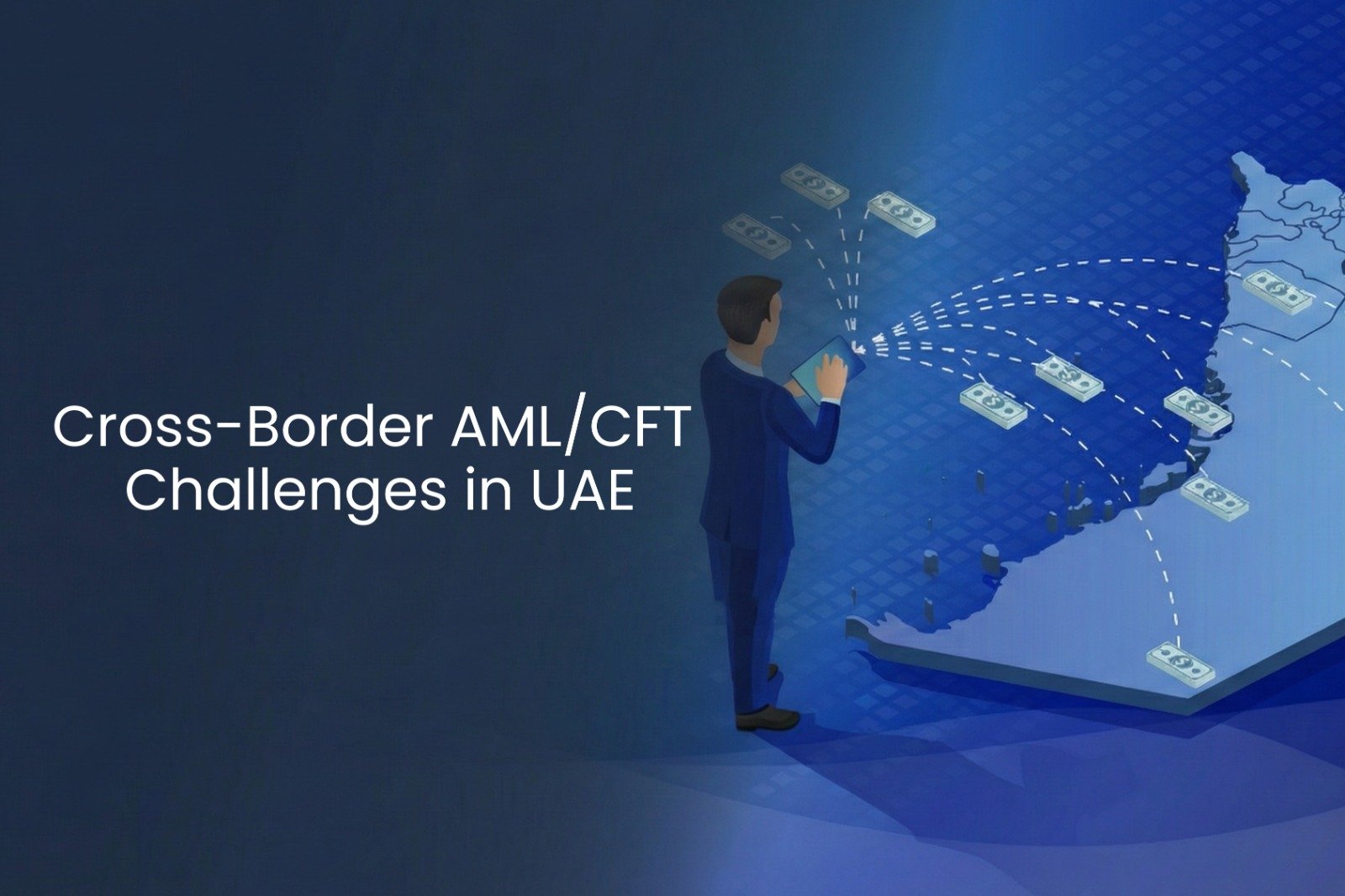
Money laundering is a serious financial crime that enables criminals to disguise the illegal origin of funds and integrate them into the legitimate economy. It undermines financial systems, fuels organized crime, and poses significant risks to businesses and economies worldwide. In response, countries like the UAE have implemented robust Anti Money Laundering compliance in UAE frameworks to detect, prevent, and report such activities.
To effectively combat financial crime, it is essential for businesses, compliance professionals, and employees to understand how the money laundering process works. Globally, regulators and enforcement agencies recognize this illegal activity as a structured process carried out in distinct stages.
What Is Money Laundering?
Money laundering refers to the act of concealing or disguising the true source, ownership, or movement of illegally obtained funds so that they appear to come from legitimate activities. These funds often originate from crimes such as fraud, corruption, drug trafficking, tax evasion, or terrorist financing.
Understanding the stages of Illegal money processing helps organizations identify red flags early and strengthen internal controls in line with AML compliance in UAE requirements.
The Three Key Stages of the Money Laundering Process
International standards, including those set by the Financial Action Task Force (FATF), identify three primary stages in the money laundering process: Placement, Layering, and Integration.
1. Placement – Introducing Illegal Funds into the Financial System
Placement is the first and most vulnerable stage of money laundering. At this point, criminals attempt to introduce illicit funds into the financial system.
Common placement methods include:
- Depositing cash into bank accounts in small amounts (structuring)
- Purchasing high-value goods such as jewelry, vehicles, or luxury items
- Using cash-intensive businesses to mix illegal funds with legitimate revenue
- Transferring money through money exchange houses or informal channels
In the context of money laundering in the UAE, regulators closely monitor cash transactions, customer onboarding, and unusual deposit patterns to detect risks at this early stage.
2. Layering – Obscuring the Source of Funds
Layering involves creating complex financial transactions to distance the illicit funds from their criminal origin. This stage makes detection more difficult by confusing audit trails.
Typical layering techniques include:
- Multiple domestic and international wire transfers
- Use of shell companies and complex ownership structures
- Converting funds into different financial instruments or digital assets
- Routing transactions through jurisdictions with weak controls
Businesses subject to AML compliance in UAE are expected to apply enhanced monitoring, customer risk assessments, and transaction reviews to identify layering activities.
3. Integration – Reintroducing Funds as Legitimate Income
Integration is the final stage of the money laundering process, where illegal funds are reintroduced into the economy as seemingly legitimate assets.
This may involve:
- Investing in real estate, businesses, or financial markets
- Claiming false loans, dividends, or consultancy income
- Using laundered funds to purchase luxury assets
- Channeling money through legitimate commercial operations
At this stage, funds appear clean, making detection challenging without strong AML frameworks, ongoing monitoring, and financial intelligence reporting.
Why Understanding the Stages of Money Laundering Matters
Recognizing how money laundering operates allows organizations to:
- Identify suspicious customer behavior early
- Implement effective risk-based AML controls
- Strengthen transaction monitoring and reporting systems
- Meet regulatory expectations under UAE AML laws
For regulated entities, including financial institutions and DNFBPs, understanding these stages is critical to fulfilling obligations related to customer due diligence, suspicious transaction reporting, and record-keeping.
Money Laundering Risks and AML Compliance in UAE
The UAE has established a comprehensive AML framework aligned with FATF recommendations. Businesses operating in or through the UAE are required to:
- Conduct customer and beneficial ownership verification
- Monitor transactions for unusual or suspicious activity
- Report Suspicious Transaction Reports (STRs) via goAML
- Provide ongoing AML training to staff
Failure to identify money laundering risks at any stage can result in regulatory penalties, reputational damage, and legal consequences.
Conclusion
Understanding the stages of money laundering—Placement, Layering, and Integration—is fundamental to preventing financial crime and maintaining regulatory compliance. By recognizing how illicit funds move through the financial system, businesses can strengthen controls, detect red flags early, and support national and global efforts against financial crime.
For expert guidance on AML compliance Risks and Mitigating Strategies in UAE, AML risk assessments, and building effective AML compliance Framework in UAE, Auditac International Consultancy offers professional AML advisory, AML audit, and AML compliance support to help businesses remain secure, compliant, and regulator-ready.