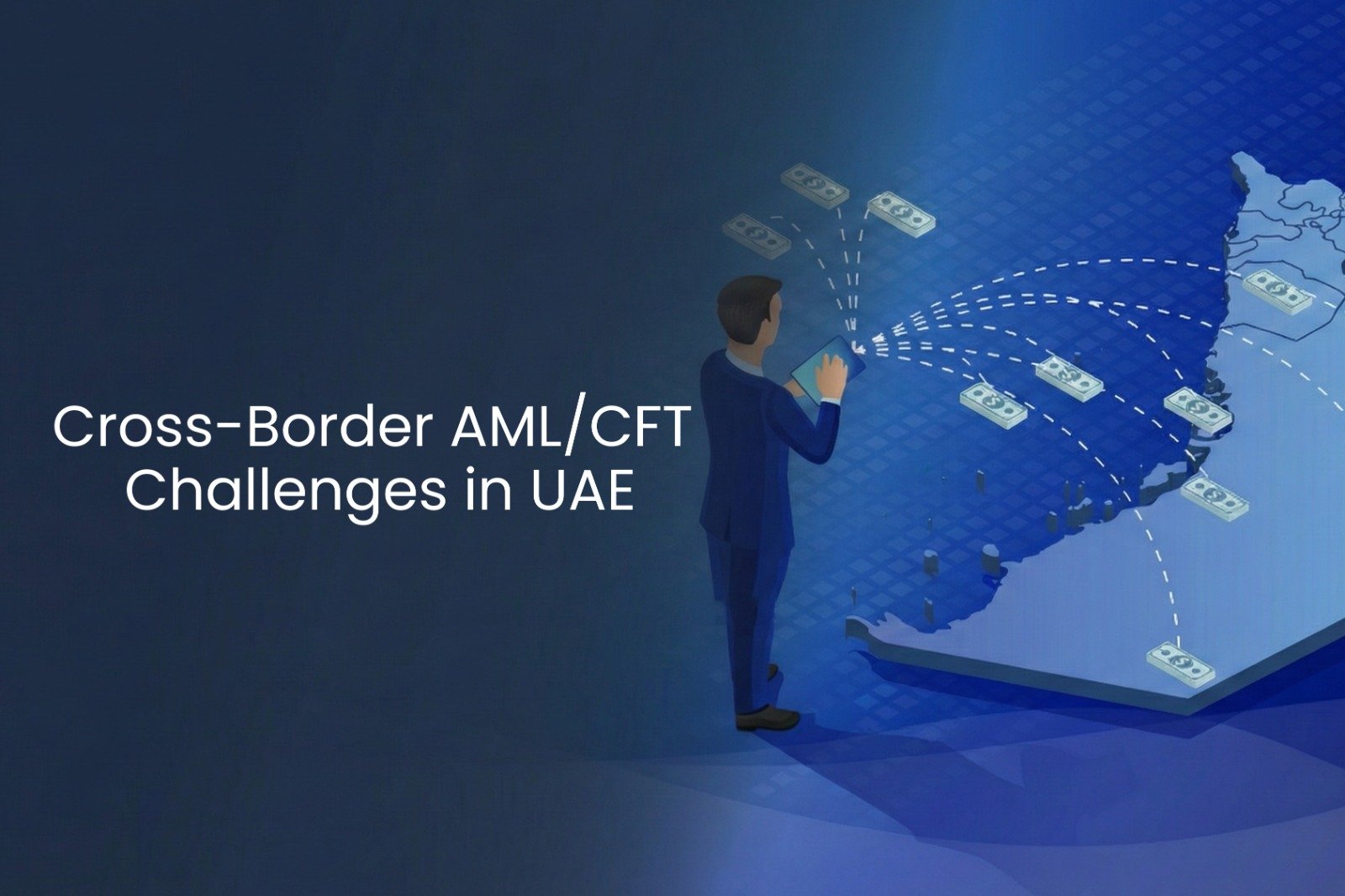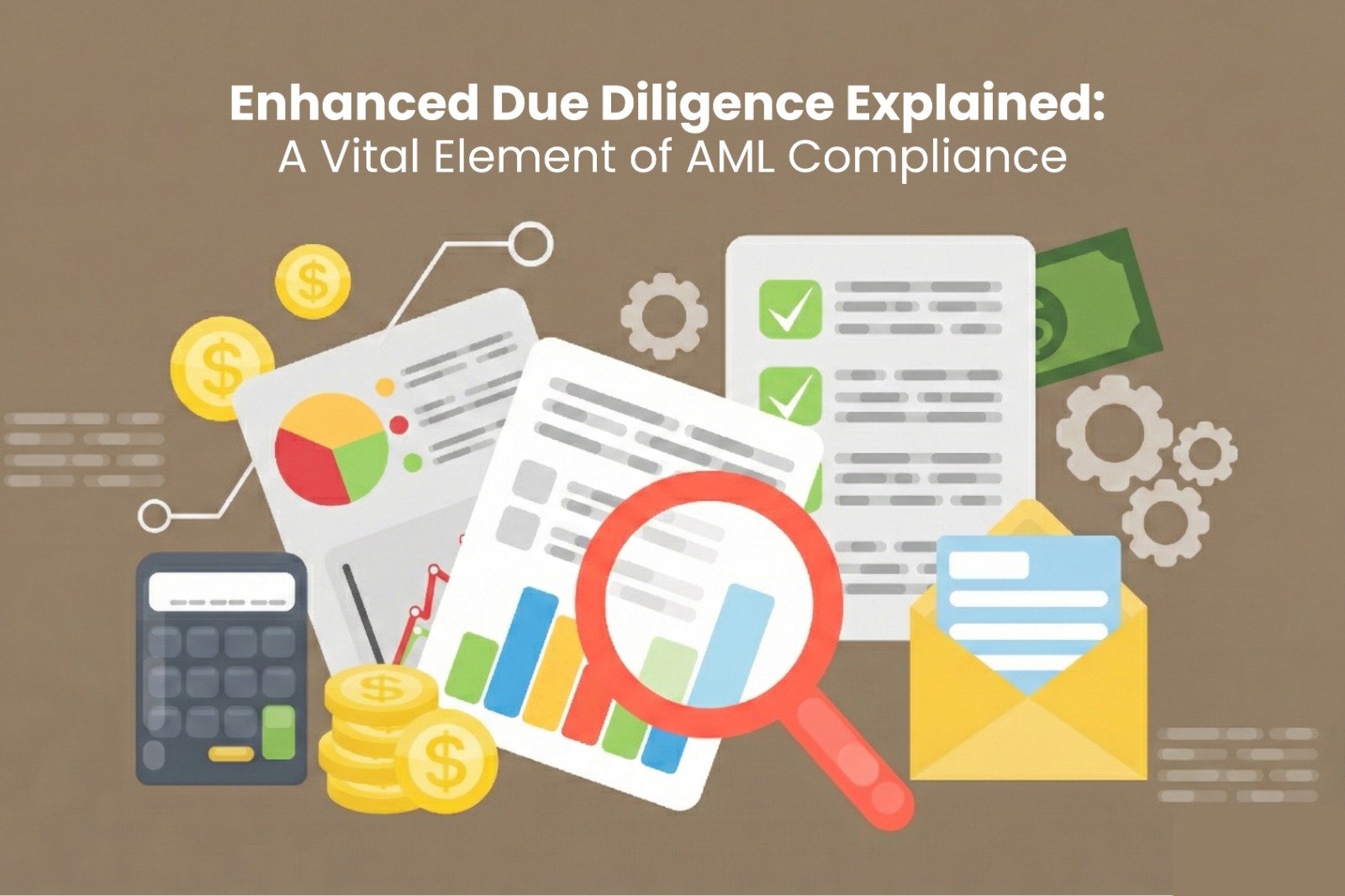
The UAE’s free zones play a vital role in attracting foreign investment, supporting global trade, and driving economic diversification. However, alongside these advantages come heightened regulatory expectations—particularly in the area of Anti-Money Laundering and Countering the Financing of Terrorism (AML/CFT).
Today, AML/CFT challenges are among the most critical compliance concerns faced by free zone entities operating in the UAE. While free zones offer operational flexibility, they are fully subject to UAE federal AML/CFT laws, supervision, and enforcement. Understanding these challenges is essential for businesses to maintain compliance, avoid penalties, and protect their reputation.
Why AML/CFT Compliance Is Critical for UAE Free Zone Entities
Free zones often host:
- International shareholders and directors
- Cross-border transactions
- Trading, holding, and service structures
- Complex ownership arrangements
These characteristics can increase exposure to financial crime risks. As a result, regulators closely monitor AML requirements for UAE free zones to ensure they are not misused for money laundering, terrorist financing, or sanctions evasion.
Failure to comply can lead to fines, licence suspension, or enhanced regulatory scrutiny.
Key AML/CFT Challenges for Free Zone Entities in the UAE
1. Complex Ownership and Beneficial Ownership Transparency
One of the most common AML/CFT challenges is identifying and verifying the Ultimate Beneficial Owner (UBO).
Free zone entities often involve:
- Offshore shareholders
- Nominee arrangements
- Multi-layered corporate structures
Ensuring accurate UBO disclosure and ongoing monitoring is essential to meet Anti-money laundering requirements in UAE.
2. Inconsistent Understanding of Regulatory Responsibilities
Many free zone businesses assume that operating within a free zone reduces their AML obligations. In reality:
- Federal AML/CFT laws apply across all free zones
- Supervisory authorities expect full compliance
- DNFBPs and financial activities are closely regulated
A lack of clarity around free zone regulatory compliance UAE often results in gaps in policies, controls, and reporting.
3. Inadequate AML Risk Assessment
Conducting a robust AML risk assessment in UAE is a regulatory requirement, yet many free zone entities:
- Use generic risk assessments
- Fail to update them regularly
- Do not tailor risks to their specific activities
Without a proper risk assessment, businesses struggle to apply effective customer due diligence, transaction monitoring, and controls.
4. Weak Customer Due Diligence (CDD) Processes
Free zone entities frequently deal with international customers, agents, and intermediaries. Common challenges include:
- Insufficient customer verification
- Failure to apply enhanced due diligence for high-risk clients
- Poor documentation and recordkeeping
Strong CDD processes are essential to mitigate money laundering risks and demonstrate compliance during inspections.
5. Limited Awareness of Suspicious Transaction Reporting Obligations
Many businesses are unsure:
- When a transaction is considered suspicious
- How to file Suspicious Transaction Reports (STRs)
- How to use the goAML platform
Delays or failures in reporting are treated seriously by regulators and remain a significant AML/CFT challenge for free zone entities.
6. Governance and Accountability Gaps
UAE regulations place responsibility on senior management and boards to oversee AML/CFT compliance. However, free zone entities often lack:
- Clearly defined compliance roles
- Appointed MLROs with sufficient authority
- Management oversight of AML controls
Weak governance increases regulatory and reputational risk.
7. Keeping Pace with Regulatory Updates
The UAE continues to enhance its AML framework in line with FATF standards. Free zone entities must regularly update:
- AML policies and procedures
- Risk assessments
- Internal controls
Staying compliant with evolving AML requirements for Abu Dhabi Free Zones or Dubai Free Zones is an ongoing challenge, particularly for growing or newly established businesses.
Which Free Zone Entities Are Most Exposed to AML/CFT Risks?
- Trading companies (import/export, commodities)
- Holding companies
- Service providers dealing with overseas clients
- Crypto, fintech, and payment-related entities
- DNFBPs (consultants, brokers, agents)
Regulatory Requirements for UAE Free Zone Entities: Federal Laws and Free Zone Regulators
While UAE free zones offer operational and tax advantages, AML/CFT compliance obligations are not relaxed. Free zone entities must comply with both federal AML laws and the specific regulatory requirements of their respective free zone authorities.
Federal AML/CFT Legal Framework (Applicable to All Free Zones)
All free zone entities are subject to the UAE’s federal AML/CFT regime, including:
- Federal Decree-Law No. 10 of 2025 on Anti-Money Laundering and Combating the Financing of Terrorism
- Cabinet Decision No. 134 of 2025 (as amended), detailing implementing regulations
- Guidelines issued by the UAE Ministry of Economy and supervisory authorities
Under federal law, obligated entities must:
- Conduct AML risk assessments
- Implement customer due diligence (CDD) and enhanced due diligence (EDD)
- Appoint a qualified Money Laundering Reporting Officer (MLRO)
- File Suspicious Transaction Reports (STRs) and other reports via the goAML platform
- Maintain proper AML policies, procedures, and staff training
These requirements apply regardless of whether a business operates on the mainland or within a free zone.
DIFC-Regulated Entities (Supervised by DFSA)
Entities operating in the Dubai International Financial Centre (DIFC) and regulated by the Dubai Financial Services Authority (DFSA) must comply with:
- DFSA AML Module (AML Rulebook)
- Risk-based AML/CFT frameworks aligned with FATF standards
- Enhanced governance, independent compliance oversight, and audit requirements
DFSA-regulated firms are subject to frequent supervisory inspections, thematic reviews, and enforcement actions, making compliance expectations particularly stringent.
ADGM-Regulated Entities (Supervised by FSRA)
Entities in the Abu Dhabi Global Market (ADGM) regulated by the Financial Services Regulatory Authority (FSRA) must follow:
- FSRA AML and Sanctions Rules and Guidance
- Detailed requirements for enterprise-wide risk assessments
- Strong emphasis on beneficial ownership transparency, transaction monitoring, and ongoing customer risk reviews
ADGM applies a principles-based but highly enforced AML/CFT regime, especially for financial institutions, fintech firms, and designated non-financial businesses and professions.
Other UAE Free Zones and Supervisory Oversight
Non-financial free zones (e.g., DMCC, JAFZA, RAKEZ) are generally supervised under:
- The Ministry of Economy (for DNFBPs)
- Relevant sector regulators depending on the nature of activity
These entities must still meet federal AML/CFT obligations, including risk assessments, reporting, and recordkeeping, even if the free zone authority itself is not a financial regulator.
Why This Dual Regulatory Structure Matters
Failure to comply with either federal AML laws or free zone-specific regulations can result in:
- Administrative penalties and fines
- License suspension or non-renewal
- Banking relationship terminations
- Reputational and operational risk
For free zone entities, AML/CFT compliance is not just a legal requirement — it is a critical business continuity and risk management function.
Conclusion
Take Control of Your AML/CFT Compliance Before Regulators Do
AML/CFT challenges in UAE free zones are no longer theoretical — they are actively monitored, audited, and enforced. Free zone entities that fail to maintain a robust AML risk assessment, governance structure, and reporting framework face serious regulatory, financial, and reputational consequences.
Auditac International Consultancy supports free zone businesses with end-to-end AML/CFT compliance solutions — from risk assessments and policy implementation to MLRO support and regulatory readiness reviews.
Don’t wait for a regulatory notice. Speak to Auditac today to assess your AML/CFT exposure and strengthen your compliance framework with confidence.