The UAE’s position as a global hub for real estate investment and luxury trade brings significant economic opportunity—but also heightened exposure to financial crime risks. High-value property transactions, luxury cars, yachts, jewellery, and art are globally recognised as attractive channels for money laundering due to their value, portability, and potential for anonymity.
For this reason, AML/CFT Best Practices for UAE businesses operating in real estate and luxury goods are no longer optional. Regulators expect strong preventive controls, robust due diligence, and proactive reporting aligned with UAE federal AML/CFT laws.
This blog explains the key risks, regulatory expectations, and practical AML/CFT best practices tailored specifically for UAE real estate and luxury goods sectors.
Why Real Estate and Luxury Goods Are High-Risk Sectors in the UAE
Both sectors are classified as Designated Non-Financial Businesses and Professions (DNFBPs) under UAE AML regulations due to their vulnerability to misuse.
Common risk factors include:
- High-value, one-off transactions
- Use of cash or complex payment structures
- Foreign buyers and cross-border funds
- Use of intermediaries or shell entities
- Difficulty in establishing source of wealth
These risks make AML risk assessment in UAE a critical compliance requirement for businesses operating in these sectors.
Analyse high-risk industries and tailored compliance controls.
Analysis of High-Risk Industries and Tailored AML/CFT Compliance Controls in the UAE
Certain industries in the UAE are inherently exposed to higher money laundering and terrorist financing risks due to high transaction values, cross-border dealings, complex ownership structures, and cash-intensive operations. Regulators expect businesses in these sectors to implement enhanced, risk-based AML/CFT controls, rather than generic compliance frameworks.
1. Real Estate Sector
Why it is high-risk:
- Large transaction values
- Use of third-party intermediaries
- Foreign buyers and offshore structures
- Potential misuse for layering and asset concealment
Tailored AML/CFT controls required:
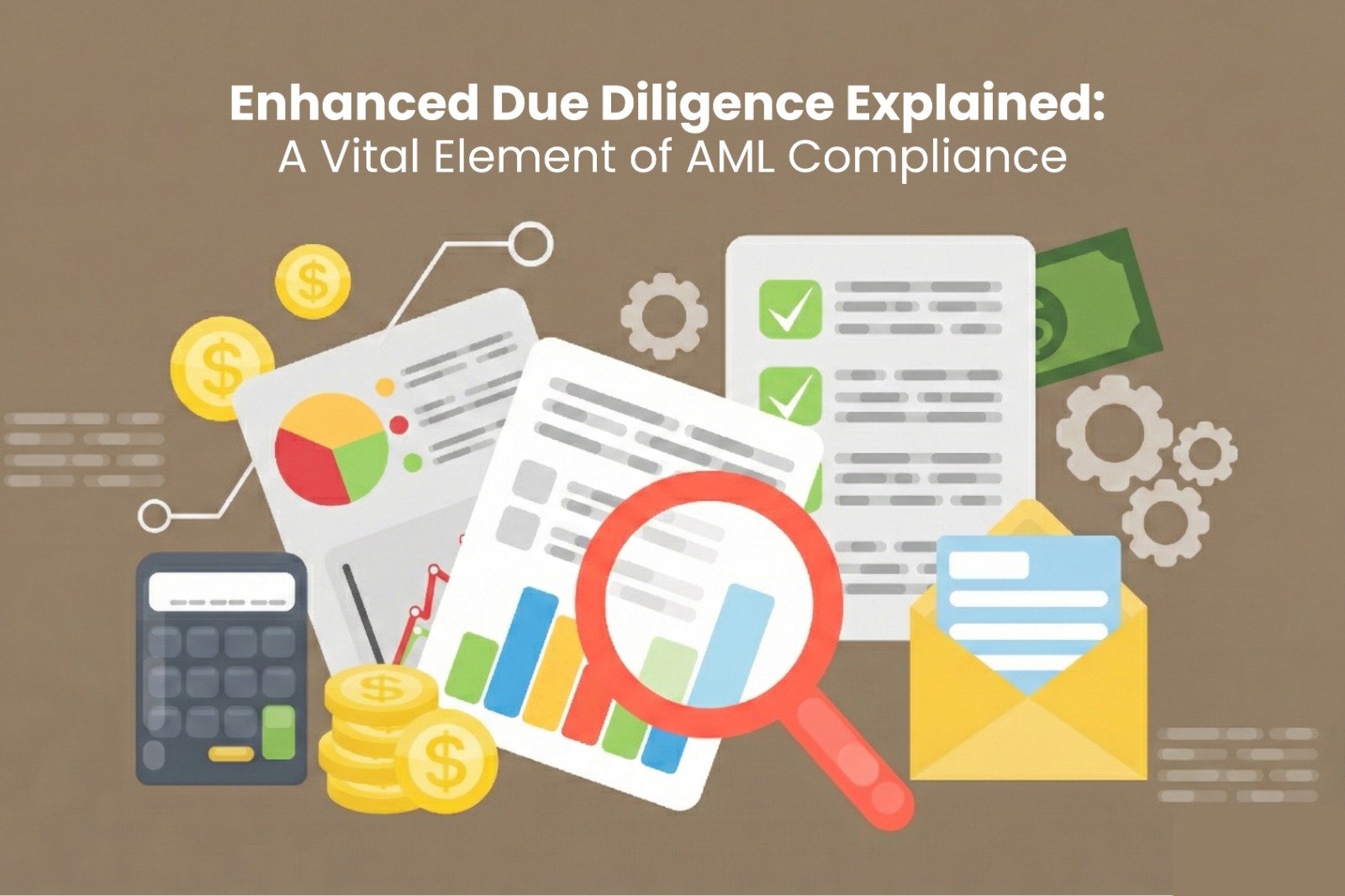
- Enhanced Due Diligence (EDD) for high-value property purchases
- Verification of source of funds and source of wealth
- Sanction Screening and Politically Exposed Persons (PEPs) Screening.
- Monitoring unusual payment structures (e.g. cash equivalents, third-party payments)
- Mandatory GoAML reporting for suspicious property transactions
2. Luxury Goods & High-Value Asset Dealers
(Including luxury cars, yachts, jewellery, watches, art, and precious metals)
Why it is high-risk:
- Easy conversion of illicit funds into movable assets
- High resale value with minimal traceability
- Cross-border buyers and non-resident customers
Tailored AML/CFT controls required:
- Customer identification even for one-off transactions
- Transaction threshold-based due diligence
- Enhanced scrutiny for cash-heavy purchases
- Ongoing monitoring for repeat high-value buyers
- AML training tailored for sales teams and front-line staff
3. Free Zone Entities & International Trading Companies
Why it is high-risk:
- Cross-border trade flows
- Multiple jurisdictions involved
- Trade-based money laundering risks
- Complex supply chains and invoicing structures
Tailored AML/CFT controls required:
- Trade-based AML risk assessments
- Verification of counterparties and beneficial owners
- Monitoring of invoice manipulation and over/under-invoicing
- Sanctions and adverse media screening
- Alignment with both free zone regulations and UAE federal AML laws
4. Financial & Payment-Related Businesses
(Including fintechs, payment service providers, and exchange houses)
Why it is high-risk:
- High transaction velocity
- Exposure to cross-border payments
- Potential misuse for rapid layering of funds
Tailored AML/CFT controls required:
- Real-time transaction monitoring systems
- Automated sanctions and watchlist screening
- Risk-based customer segmentation
- Ongoing AML risk assessment updates
- Regular independent AML audits
5. Professional Service Providers (DNFBPs)
(Including auditors, consultants, legal advisors, and corporate service providers)
Why it is high-risk:
- Access to client structures and financial information
- Role in company formation and restructuring
- Potential misuse for obscuring beneficial ownership
Tailored AML/CFT controls required:
- Strong client onboarding and beneficial ownership verification
- Risk-based acceptance policies
- Clear escalation and reporting procedures
- Periodic AML compliance reviews
- Mandatory AML compliance training for staff
Why a Tailored Risk-Based Approach Matters in the UAE
UAE regulators increasingly expect businesses to:
- Demonstrate sector-specific risk awareness
- Justify why Enhanced Due Diligence is applied in certain cases
- Show documented AML risk assessments aligned with business activities
- Implement controls proportionate to the level of risk
A one-size-fits-all AML framework is no longer sufficient, especially for high-risk sectors operating in Dubai, Abu Dhabi, and UAE free zones.
Compliance Done Right: Sector-Specific AML Support
High-risk industries require tailored AML/CFT frameworks, not template-based policies.
At Auditac International Consultancy, we design industry-specific AML/CFT controls that align with UAE regulations, sector risks, and regulatory inspection expectations—helping businesses remain compliant, AML audit-ready, and risk-resilient.
Common AML/CFT Compliance Gaps in These Sectors
Regulators frequently observe:
- Generic AML policies copied from templates
- Incomplete risk assessments
- Weak EDD documentation
- Untrained sales staff
- Delayed or missed STR filings
Addressing these gaps requires sector-specific AML frameworks—not one-size-fits-all solutions.
How Businesses Can Strengthen AML/CFT Compliance
To align with AML/CFT Best Practices for UAE, businesses should:
- Conduct independent AML risk assessments
- Update AML policies and procedures regularly
- Implement strong EDD processes
- Ensure proper GoAML registration and reporting
- Engage AML experts for audits and advisory support
Need Expert AML/CFT Support in Dubai or Abu Dhabi?
Regulatory expectations for real estate and luxury goods businesses in the UAE are rising—and enforcement actions are becoming more frequent.
Don’t wait for a regulatory inspection to identify gaps.
At Auditac International Consultancy, we help UAE businesses:
- Conduct AML risk assessments tailored to Dubai & Abu Dhabi markets
- Implement sector-specific AML/CFT frameworks
- Support GoAML registration and STR reporting
- Strengthen Enhanced Due Diligence processes
- Prepare confidently for inspections and audits
Book a confidential AML compliance consultation today and ensure your business meets UAE AML/CFT expectations—before regulators ask.
FAQs: AML/CFT Best Practices for UAE Businesses
1. Are AML/CFT requirements mandatory for real estate businesses in Dubai and Abu Dhabi?
Yes. Real estate brokers, developers, and agents operating in Dubai, Abu Dhabi, and across the UAE are classified as DNFBPs and must comply with UAE federal AML/CFT laws, conduct AML risk assessments, implement customer due diligence, and maintain GoAML registration in UAE.
2. Do luxury goods dealers in the UAE need to follow AML compliance rules?
Absolutely. Dealers in high-value goods such as luxury cars, yachts, jewellery, watches, art, and precious metals are subject to AML/CFT obligations, including customer due diligence, suspicious transaction reporting, and Enhanced Due Diligence in UAE for high-risk customers.
3. When is Enhanced Due Diligence required in UAE real estate transactions?
Enhanced Due Diligence in UAE is required when transactions involve Politically Exposed Persons (PEPs), high-risk jurisdictions, complex ownership structures, unusually high property values, or inconsistent payment methods.
4. Is GoAML registration mandatory for Dubai and Abu Dhabi businesses?
Yes. GoAML registration in UAE is mandatory for all DNFBPs, including real estate and luxury goods businesses operating in mainland UAE and free zones. Failure to register or report suspicious activity can result in regulatory penalties.
5. How often should AML risk assessments be updated for UAE businesses?
AML risk assessments should be reviewed annually or whenever there is a material change, such as new business activities, expansion into Dubai or Abu Dhabi markets, onboarding of foreign clients, or changes in transaction volumes.